
Travertine Floor Polishing: How to Enhance Shine and Durability
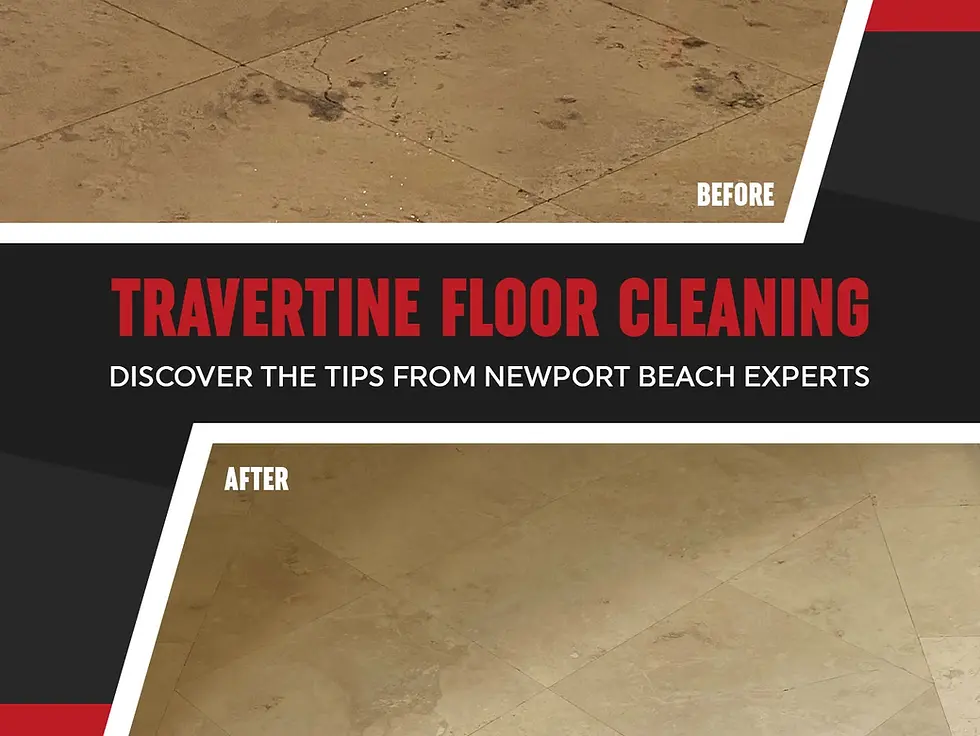
Travertine floors can instantly change how a room feels. Because of its warm texture. Depth. Character. But even if the surface is strong, it will not stay flawless forever. Daily foot traffic, fine grit, moisture, and the odd spill are the reasons behind the loss of its natural finish. This is where travertine floor polishing becomes more than just cosmetic maintenance. It improves the strength and smoothness of your travertine floors only when done by professionals.
Across Orange County, natural stone surfaces often begin to dull well before homeowners expect them to. Fortunately, with proper travertine polishing services in Corona Del Mar, CA, surface wear is typically reversible.

What Exactly Is Travertine Floor Polishing?
Cleaning travertine floors and polishing get confused all the time. They serve very different purposes.
Cleaning removes dirt. Honing smooths the surface where special abrasive diamond pads are required.
Polishing, on the other hand, is done to refine the stone that enhances its light reflection. Natural stone polishing restores the stone itself by refining the surface layer and eliminating imperfections.
Why Travertine Floor Polishing Improves Durability
The porosity of travertine gives it a unique personality. But it also makes it vulnerable to moisture absorption, staining, and etching from acids.
Therefore, professional cleaning and sealing of travertine after polishing is necessary. It creates a protective layer that assists with:
Reduce moisture penetration
Enhance stain resistance
Easy to maintain regularly
Improve stain resistance
Simplify routine maintenance
Extend the overall stone lifespan
In high-traffic homes throughout Newport Beach and Los Angeles County, dull traffic lanes often form in walkways. When sunlight hits at the right angle, those worn paths become obvious. The good news? In most cases, that’s surface deterioration, not structural failure.
Paired with proper travertine sealing after polishing, the surface becomes noticeably more resilient against everyday use.
What Are The Signs Your Travertine Needs Polishing?
Uneven light reflection
Cloudy patches that remain after mopping
Light surface scratches
Minor etching from spills
Dull pathways in high-traffic zones
Entryways and kitchens tend to show wear first. Fine sand tracked indoors works like sandpaper. Over time, those micro-scratches scatter light, which makes the surface feel dull and lifeless. It is best to polish travertine floors professionally to get back the original shine of the travertine floor.
What Are The Common Causes of Premature Travertine Wear
Travertine is durable, but it isn’t indestructible. Most early damage builds gradually through routine habits.
Microscopic abrasion is one of the biggest contributors. Sand and debris carried inside grind against the surface with every step. That friction leads to dullness and eventually the need for travertine floor polishing.
Cleaning products also cause issues. Furthermore, acidic solutions react with calcium-based stone. This creates etches that require professional natural stone polishing to correct.
Moisture exposure plays its part as well. Because travertine is porous, worn or skipped sealant allows liquids to seep below the surface. Without proper travertine cleaning and sealing, staining and internal weakening can develop.
Dragging heavy furniture and inconsistent maintenance routines accelerate surface wear. In many homes across Orange County and Los Angeles County, premature dullness isn’t age; it’s preventable.
Understanding these patterns early helps avoid more extensive stone surface restoration later.

How Polishing Impacts Long-Term Travertine Stone Performance
Polishing directly affects how the stone performs over time, and not just about shine.
During professional travertine polishing services, technicians refine the surface using progressively finer abrasives. This process removes shallow scratches and levels subtle irregularities. The smoother the surface becomes, the fewer microscopic ridges remain for dirt to cling to.
Fewer ridges mean:
Reduced dirt retention
Less friction-based wear
Easier cleaning
Better light reflection
Combined with proper travertine sealing after polishing, the stone gains added resistance to moisture and staining.
A well-executed natural stone polishing process doesn’t simply restore appearance. It supports long-term durability and simplifies ongoing travertine floor maintenance.
Polished vs Honed Finish: Which Is Better for Your Space?
Choosing the right finish depends on both function and design goals.
A honed vs polished travertine comparison highlights the differences clearly.
A honed finish offers:
Matte, understated appearance
Better traction in moisture-prone areas
Softer surface reflection
A polished finish provides:
Higher sheen
Enhanced color depth
Greater resistance to surface staining
Easier day-to-day cleaning
For high-traffic living spaces, many homeowners prefer polished surfaces. After proper travertine floor polishing in Fullerton, CA, they tend to reflect light evenly and resist dirt retention more effectively.
Bathrooms and outdoor areas may benefit from a honed finish, where slip resistance is more important.
A professional evaluation during travertine polishing services helps determine which finish will perform best long-term.
Maintenance After Travertine Floor Polishing
Once restored, proper travertine floor maintenance protects the results.
Recommended practices:
Sweep frequently to remove abrasive grit
Use only pH-neutral cleaners
Avoid vinegar and acidic products
Reseal every 1–3 years, depending on traffic
Skip steam mops
FAQ – Travertine Floor Polishing
How often should I polish the travertine floor?
It is important to have travertine floors polished every 2–3 years for residential properties. However, heavy traffic areas may need frequent services.
Does polishing make travertine more durable?
Yes. Polishing removes surface wear and prepares the stone for sealing, improving resistance to moisture and staining.
Can polishing remove etches on travertine?
Light etching is often corrected during the honing phase. More severe damage may require professional stone surface restoration.
Is sealing necessary after polishing?
Absolutely. Travertine sealing after polishing is important. It prevents future staining and moisture intrusion.
In Conclusion
Proper travertine floor polishing isn’t just about getting a surface to shine again. It brings the stone back to where it should be. When polishing and sealing are done correctly, travertine holds onto its natural character instead of fading year after year.
At Titans Natural Stone Restoration, every project starts with a close look at the condition of the stone, followed by the right equipment and hands-on craftsmanship to address what the floor actually needs.
If your surface has lost its smoothness or clarity, reach out to our professional travertine floor restoration team and bring back its natural shine the right way.


Comments